
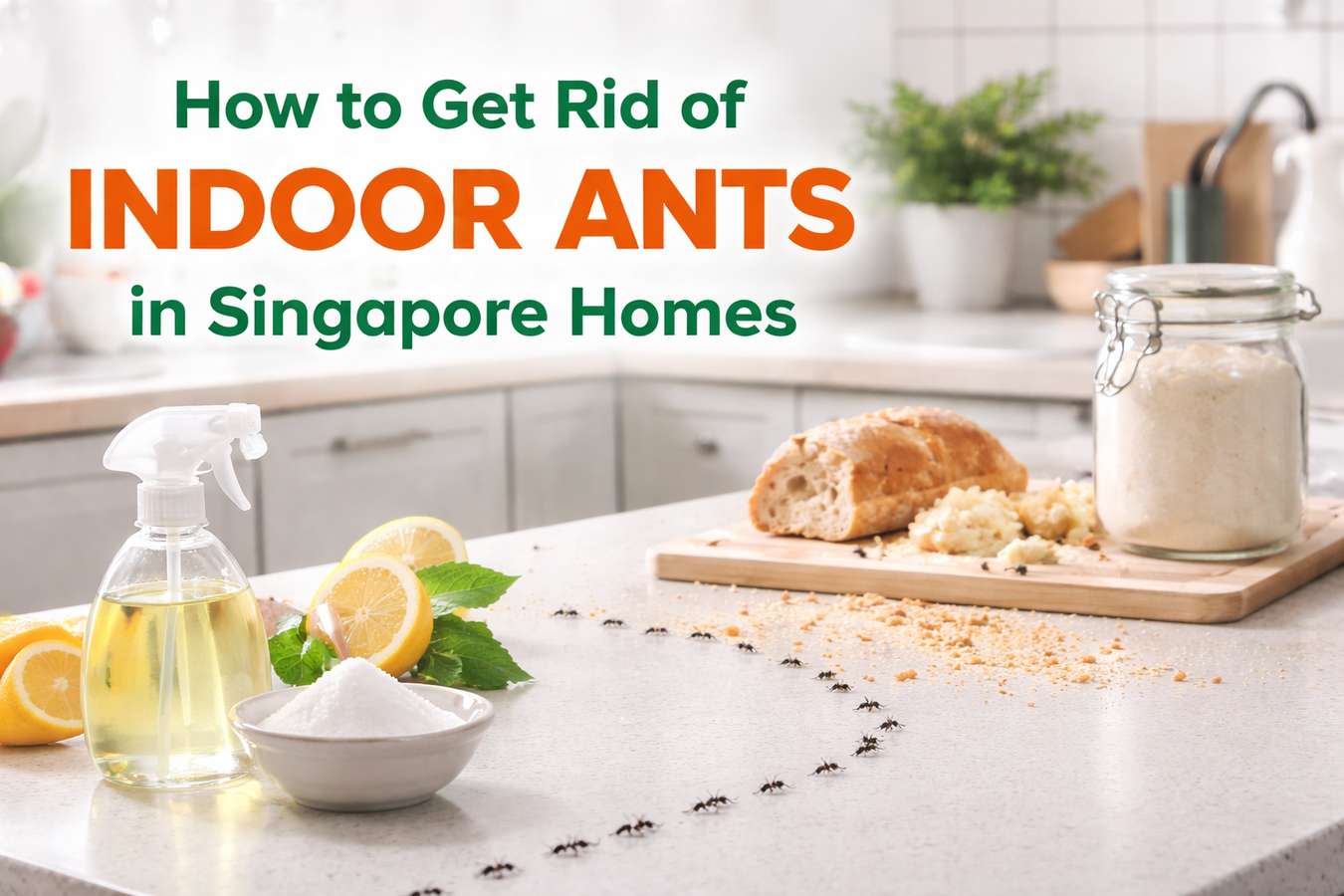
Indoor ants are common in Singapore homes. The warm weather and high humidity make it easy for ants to survive indoors. Dense housing also helps ants move from one unit to another. Many people try quick solutions to kill ants. However, the problem often comes back after a few days.
This usually happens because ants are attracted to food residue, moisture, and scent trails. These are often left behind during daily activities. If you are wondering how to get rid of indoor ants in Singapore homes, the solution starts with proper cleaning and prevention. Killing visible ants does not fix the real cause. Consistent cleaning habits are essential, especially in households that rely on house cleaning services Singapore families use to maintain hygiene.
This guide explains why ants appear indoors. It also shows how cleaning helps remove them. You will learn simple habits that can stop ants from coming back. The advice is suitable for HDB flats, condominiums, and landed properties in Singapore.
Why Indoor Ants Are Common in Singapore Homes
Ants thrive in warm and humid environments. Singapore’s climate provides ideal conditions for ants to stay active throughout the year. Unlike colder countries, there is no true off-season where ant activity stops completely.
Most Singapore homes also have features that attract ants. Kitchens are used daily. Bathrooms stay damp for long hours. Food is often prepared, packed, and stored in small spaces. Even homes that follow regular house cleaning routines may still leave behind tiny crumbs or grease.
Indoor ants are especially common in:
Kitchens and pantries
Bathrooms and floor traps
Balconies and plant areas
Near rubbish bins and recycling zones
Understanding why ants are present helps you remove the conditions that attract them in the first place.
The Real Reason Ants Keep Coming Back Indoors
Many people clean regularly but still see ants returning. This is because ants do not just look for food. They follow scent trails and moisture sources that are easy to miss.
Food Residue and Invisible Crumbs
Ants are attracted to very small amounts of food. Sugar, oil, and starch are especially appealing. Even if a surface looks clean, ants can detect residue left behind from cooking or eating.
Common sources include:
Grease splashes near the stove
Sugar spills on counters
Crumbs under appliances
Pet food bowls
Sticky drink marks on tables
Ants do not need much to survive. A few drops or crumbs are enough to bring them back. These areas are often missed during quick cleaning. They may require more thorough deep cleaning to remove fully.
Ant Scent Trails You Cannot See
When ants find food, they leave a scent trail for other ants to follow. This trail is invisible to humans but very strong to ants. Simply sweeping or wiping with water may not remove this trail completely.
If scent trails remain, ants will keep coming back even if the food source is gone. This is why proper cleaning methods matter.
Moisture and Damp Areas
Water is just as important to ants as food. Damp areas are a major reason indoor ants appear, especially in Singapore homes.
Common moisture spots include:
Under sinks
Bathroom floors
Floor traps
Leaking pipes
Condensation near windows
Ants are often drawn to these areas even when there is no visible food nearby.
Step-by-Step Cleaning to Remove Indoor Ants
Cleaning is the most effective way to remove indoor ants and stop them from returning. The goal is to remove food residue, erase scent trails, and reduce moisture.
Clean Surfaces to Remove Ant Trails
Start with areas where ants are most active. Clean all surfaces thoroughly instead of spot cleaning.
Focus on:
Kitchen counters
Dining tables
Stove areas
Floors along walls and corners
Skirting boards
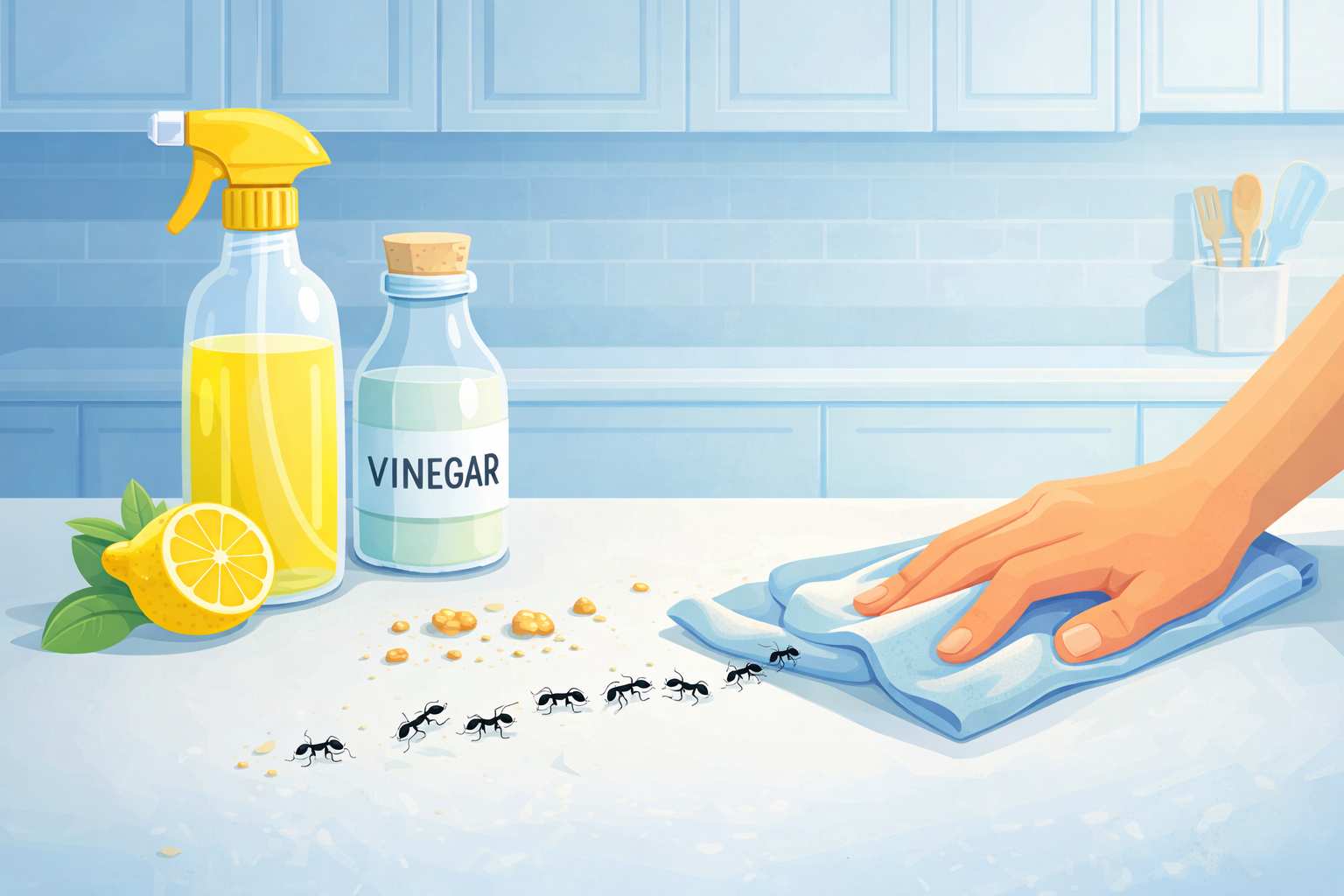
Use soapy water or a mild cleaning solution. Soap helps break down grease and removes scent trails that ants follow. Wipe surfaces slowly and thoroughly instead of rushing. This approach is similar to what is done during weekly house cleaning service routines that focus on hygiene.
Pay special attention to corners and edges. Ants often travel along walls and hidden paths.
Deep-Clean Hidden Areas Ants Love
Ants often hide and travel in areas that are not cleaned daily. These spots are easy to overlook but important to address.
Check and clean:
Behind the fridge
Under the microwave
Inside cupboards
Under sinks
Inside rubbish bins
Move appliances carefully and clean underneath. Even a small spill that happened weeks ago can continue attracting ants.
Daily Cleaning Habits That Stop Ants
You do not need to deep-clean every day, but small habits make a big difference.
Helpful daily habits include:
Wiping kitchen counters after cooking
Sweeping the floor after meals
Cleaning spills immediately
Rinsing food containers before disposal
Emptying rubbish regularly
Homes that follow weekly house cleaning routines often see fewer ant problems because these habits are maintained.
Simple Home Remedies That Support Cleaning
Home remedies can help reduce ant activity, but they should support cleaning rather than replace it. These methods work best after proper cleaning is done.
Vinegar and Soapy Water
Vinegar mixed with water can help remove scent trails. Soapy water also works well and is often gentler on surfaces.
Use these solutions to wipe:
Countertops
Ant paths along walls
Entry points
The goal is to erase the scent trail, not just chase ants away.
Baking Soda and Sugar (Use Carefully)
Some people use baking soda mixed with sugar as a home remedy. While this may reduce ant numbers, it should be used carefully and kept away from children and pets.
This method should never replace cleaning. If food residue remains, ants may return through other paths.
Natural Smells Ants Avoid
Certain natural smells can discourage ants when used correctly.
These include:
Citrus peels
Peppermint scent
Mild herbal smells
These scents work best when applied near entry points after cleaning. They help reduce ant movement but do not solve deeper issues on their own.
How Ants Enter Singapore Homes
Knowing how ants enter your home helps you prevent future problems.
Cracks, Windows, and Door Gaps
Small gaps around windows, doors, and skirting boards are common entry points. Ants can squeeze through very tiny openings.
Check:
Window frames
Door edges
Cracks along walls
Gaps near skirting boards
Sealing these gaps helps limit ant access.
Drains and Utility Areas
Ants sometimes travel through drains and utility pipes. Floor traps and wet areas are common pathways.
Keep drains clean and dry where possible. Avoid leaving standing water overnight.
Plants and Balcony Areas
Balcony plants can attract ants, especially if soil stays moist or fallen leaves collect. Ants may move indoors from these areas.
Clean balconies regularly and avoid over-watering plants.
How to Prevent Indoor Ants Long-Term
Preventing ants is easier than removing them repeatedly. Long-term prevention focuses on cleanliness and moisture control.
Key prevention steps include:
Storing food in sealed containers
Keeping kitchen areas dry
Cleaning floors regularly
Fixing leaks early
Reducing clutter near walls
Consistency matters more than intensity. Homes that maintain regular house cleaning schedules often keep ants away more easily.
When Cleaning Is Not Enough
In some cases, cleaning alone may not fully resolve the problem. Large or repeated infestations may point to hidden nests or structural issues.
If ants continue to appear despite thorough cleaning and prevention steps, it may indicate:
A nest inside walls
Severe moisture issues
External infestation sources
At this stage, professional assessment may be needed. Cleaning remains important even if further action is required.
Common Mistakes That Make Indoor Ant Problems Worse
Many well-meaning actions can accidentally make ant problems worse.
Common mistakes include:
Wiping with plain water only
Leaving mop water dirty
Ignoring floor traps
Using strong smells without cleaning first
Cleaning only visible ants
These actions may scatter ants or strengthen their scent trails instead of removing them.
FAQs About Indoor Ants in Singapore Homes
Why do ants keep coming back after cleaning?
Ants return when scent trails or moisture remain. Cleaning must remove both food residue and trails to be effective.
Are indoor ants a sign of poor hygiene?
Not always. Even clean homes can attract ants due to humidity, hidden spills, or nearby entry points.
Do natural remedies work long term?
Natural remedies help temporarily but work best when combined with consistent cleaning and prevention.
Are ants common in HDB flats?
Yes. Shared walls, pipes, and high humidity make ants common in HDB flats and apartments.
