
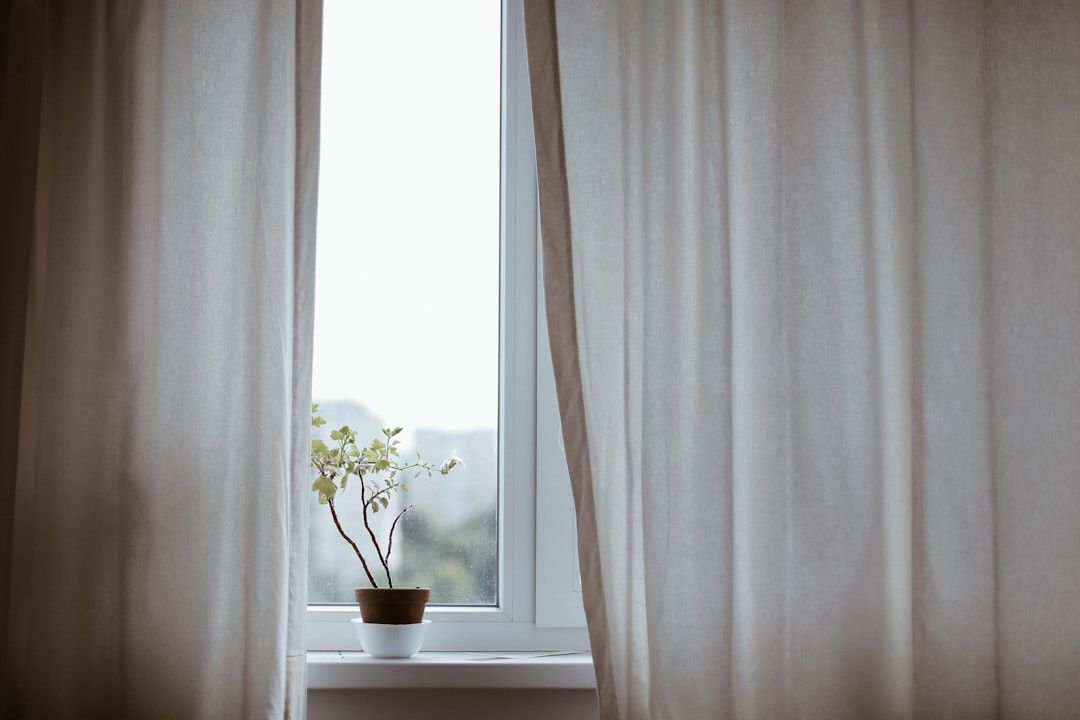
Curtains play a quiet but important role in every home. They frame windows, soften light, and add warmth to living spaces. Yet, in many Singapore homes, curtains are one of the most overlooked areas during regular house cleaning routines. Dust, humidity, and daily airflow allow dirt to settle into curtain fabric faster than most homeowners realise.
Unlike floors or tables, curtains are not cleaned weekly. This makes them a hidden source of dust, allergens, and odours. Over time, neglected curtains can affect indoor air quality and reduce the overall freshness of your home. Proper curtain care should be part of a complete house cleaning approach, not treated as an afterthought.
Top 10 curtain cleaning tips below are designed for Singapore homeowners who want cleaner living spaces without damaging their curtains. These practical steps fit naturally into a whole-home cleaning routine and help extend the life of your furnishings.
1. Understand How Curtains Collect Dirt in Singapore Homes
Curtains act like air filters. Every time windows open, air flows through the fabric. Dust, pollen, cooking smells, and moisture get trapped inside the fibres. In Singapore’s humid climate, this build-up happens faster than expected.
Homes near roads, construction areas, or lower floors are even more exposed. Curtains in living rooms and bedrooms collect fine dust daily, even if the rest of the home looks clean. This is why curtain cleaning should be aligned with your regular house cleaning habits instead of being postponed for years.
When homeowners treat curtains as part of the overall cleaning system, indoor comfort improves noticeably.
2. Vacuum Curtains Before Any Deep Cleaning
Before washing or steaming curtains, remove surface dust first. Skipping this step pushes dirt deeper into the fabric and makes cleaning less effective.
Use a vacuum cleaner with a soft brush attachment. Start from the top and move downward slowly. Focus on pleats, folds, and edges where dust settles most.
This step works well alongside routine house cleaning tasks like vacuuming sofas or mattresses. If your home already follows a structured schedule such as a weekly house cleaning service, curtain vacuuming can be added once every two to three weeks to keep dust under control.
3. Always Check Fabric Labels Before Cleaning
Not all curtains can be cleaned the same way. Cotton, polyester, linen, blackout fabric, and sheer curtains all respond differently to water and heat.
Some materials shrink easily. Others lose colour or texture when washed incorrectly. Before any cleaning method, check the care label. If the label is missing or unclear, test a small hidden area first.
This careful approach mirrors professional house cleaning standards, where surfaces are assessed before treatment to avoid damage.
4. Avoid Frequent Machine Washing
Many homeowners assume washing curtains often keeps them cleaner. In reality, frequent machine washing can weaken fabric fibres and shorten curtain lifespan.
In Singapore homes, curtains usually do not need monthly washing unless exposed to heavy smoke or grease. For most households, light maintenance combined with occasional deep cleaning is enough.
This is similar to other areas of the home. Not every surface needs aggressive cleaning weekly. Balanced care keeps furnishings looking good while preserving quality.
5. Use Steam Cleaning for Gentle Refreshing
Steam cleaning is one of the safest ways to refresh curtains between washes. Steam lifts odours, loosens dust, and reduces allergens without soaking the fabric.
Handheld steamers work well for this task. Keep the steamer moving to avoid heat damage. Steam cleaning fits naturally into comprehensive house cleaning sessions, especially when refreshing sofas, mattresses, or carpets.
Homeowners who use part time house cleaning services often rely on steaming for fabric surfaces because it improves cleanliness without harsh treatment.
6. Wash Curtains Separately from Other Laundry
When machine washing is necessary, curtains should always be washed separately. Mixing them with clothing increases friction, causes tangling, and leads to uneven cleaning.
Use mild detergent. Avoid bleach unless specifically recommended. Choose a gentle cycle with cold or lukewarm water. These steps protect fabric colour and texture.
This careful handling follows the same principles applied during professional house cleaning, where different materials are cleaned separately to avoid cross-damage.

7. Dry Curtains the Right Way
Improper drying causes many curtain problems. High heat can shrink fabric. Over-drying leads to stiffness and wrinkles that are hard to remove.
Air drying is the safest option for Singapore homes. Hang curtains while slightly damp so gravity helps reduce creases. Ensure good airflow to prevent musty smells caused by humidity.
This method supports overall indoor freshness, especially when paired with regular home ventilation and structured cleaning routines.
8. Clean Curtain Accessories and Tracks
Curtain care does not stop at the fabric. Tracks, hooks, and rods collect dust too. Dirty tracks undo the benefits of freshly cleaned curtains.
Wipe tracks with a damp cloth and mild cleaner. Remove grease or debris that affects smooth movement. This task is often overlooked but makes a visible difference in how clean a room feels.
During weekly domestic cleaning service visits, professionals often include these small details because they contribute to a consistently tidy home environment.
9. Address Mould and Odour Early
In Singapore’s climate, mould can develop quickly if curtains remain damp or are installed near poorly ventilated windows. Early signs include musty smells or small dark spots.
Do not ignore these signs. Light mould can often be removed with gentle cleaning and proper drying. Severe mould may require professional attention to avoid spreading spores indoors.
This is similar to how bathrooms or kitchens are handled in proper house cleaning plans. Early intervention prevents bigger problems later.
10. Know When Professional Cleaning Makes Sense
Some curtains are too large, heavy, or delicate for home cleaning. High ceilings, full-length drapes, and layered curtains are examples.
In such cases, professional support helps maintain cleanliness without damage. Homeowners often combine curtain care with other services like professional house cleaning or move-in cleaning to ensure the entire home feels refreshed.
If you are preparing a new home or resetting cleanliness after renovations, aligning curtain cleaning with a move-in cleaning guide ensures no area is missed during the process.
How Curtain Cleaning Fits Into Whole-Home Hygiene
Curtain cleaning should never exist in isolation. Curtains interact with air, furniture, floors, and walls. Dust removed from curtains reduces how quickly other surfaces get dirty.
Homes that follow structured cleaning habits often notice improved air quality and less frequent dust build-up. This is why homeowners who rely on weekly cleaning routines experience better long-term results compared to occasional deep cleaning alone.
Curtains play a supporting role in creating a healthier living environment.
Common Curtain Cleaning Mistakes to Avoid
Many homeowners unintentionally damage their curtains through simple mistakes. Using hot water, skipping dust removal, or drying under direct sun can reduce fabric life.
Another common mistake is delaying cleaning for too long. Heavy build-up becomes harder to remove and may permanently stain fabric. Regular light care is always easier than rare intensive cleaning.
Professional house cleaning standards focus on consistency, not intensity. The same principle applies to curtain maintenance.
Creating a Sustainable Curtain Care Routine
A practical curtain care routine does not need to be complicated. Light vacuuming every few weeks, steaming when needed, and occasional washing are enough for most Singapore homes.
Align curtain cleaning with existing house cleaning schedules. This approach reduces effort while improving results. Homes that follow a clear routine stay fresher for longer and require fewer emergency clean-ups.
If you already use part-time or weekly cleaning services, curtain maintenance can be discussed as part of a holistic home care plan rather than a separate task.
Why Clean Curtains Improve Everyday Living
Clean curtains do more than look good. They improve air circulation, reduce allergens, and enhance comfort. Light flows better. Rooms feel brighter and fresher.
These subtle improvements add up. Over time, homeowners notice fewer dust issues, better sleep quality, and a more pleasant home atmosphere. Curtain care may seem small, but its impact is meaningful when integrated into complete house cleaning practices.
Making Curtain Cleaning a Habit, Not a Chore
Curtain cleaning feels difficult only when ignored for too long. When treated as part of normal home upkeep, it becomes manageable.
Singapore homeowners who value long-term cleanliness understand that every surface matters. Curtains, though often overlooked, deserve the same care as floors, furniture, and kitchens.
By following these tips and aligning curtain care with your house cleaning routine, your home stays cleaner, healthier, and more comfortable throughout the year.
Useful Guides To Explore:
- Top 10 Professional Ironing Service Tips for Singapore Homes
- 10 Aircon Cleaning Mistakes That Cause Dust at Home
- Top 5 Moving Out Cleaning Checklist for Singapore Homes
- Why Customer Service Matters In House Cleaning
- Top 10 Professional House Cleaning Detergents Used in Singapore Homes
- Top 10 Move In Move Out Cleaning Service Singapore 2025 Guide
- Find Your Ideal Part-Time Helper in Singapore
- Cleaning Apps or Direct Booking: The Smarter Choice
- Why Customer Service Matters In House Cleaning
- Part-Time Cleaner vs Maid Services in Singapore | Costs & Benefits
- 11 Kitchen Degreasing Tips for Busy Singapore Households
- How to Get Rid of Sticker Residue: Safe Methods for Every Surface
- How a Clean Home Can Boost Your Mental Wellbeing and Productivity
- Top 5 Hiring Part-Time Cleaner Benefits in Singapore
- How to Maintain a Clean and Healthy Home with Kids and Pets
- Top 10 Cleaning Company in Singapore | A Comprehensive Guide
- Waste Collection Singapore: How Managing Household Waste Keeps the City Clean
- Pest Control: How to Keep Your Home Pest-Free During Monsoon Season in Singapore
- How Far in Advance Should I Book a Cleaning Service Appointment?
- Top 7 Post Tenancy Cleaning Benefits for Singapore Residents
- Simplify Your Life with a Weekly Cleaning Routine
- One-Time House Cleaning Service | Sparkling Home Solutions
- Top 6 Essential CNY Cleaning Tips Singapore
- Top 10 End of Tenancy Cleaning Do’s and Don’ts (Singapore Guide)
- The Ultimate Guide to Post Renovation Cleaning in Singapore
- Air Fresheners: A Comprehensive Guide to Freshening Up Your Space